School of Biological Sciences
Innovative Ph.D. program
Our innovative doctoral program includes the following key features:
- Approximately five years from matriculation to Ph.D.
- A broad representation of the biological sciences
- A first year with course work and laboratory rotations in separate phases
- Emphasis on the principles of scientific reasoning and logic as well as the importance of ethics and effective communication
- Continued advanced course instruction throughout the graduate curriculum
- Extensive mentoring and support in large part through our “two-tier” mentoring program
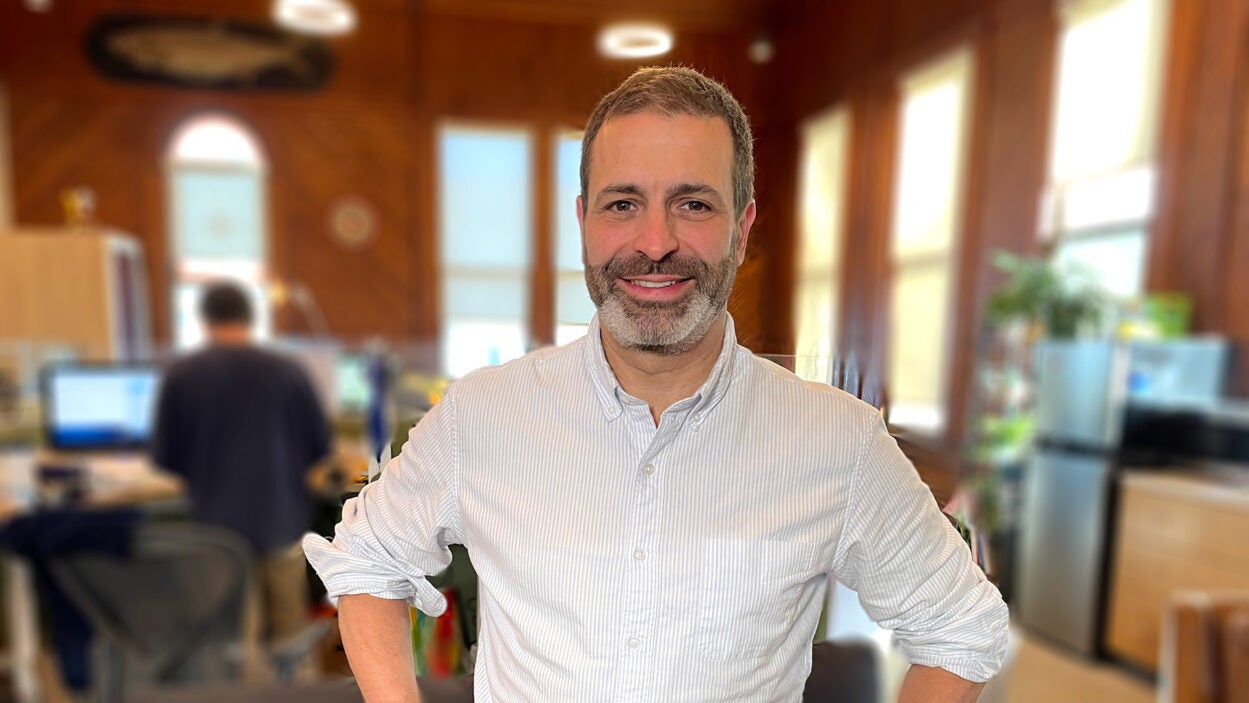
A message from the Director
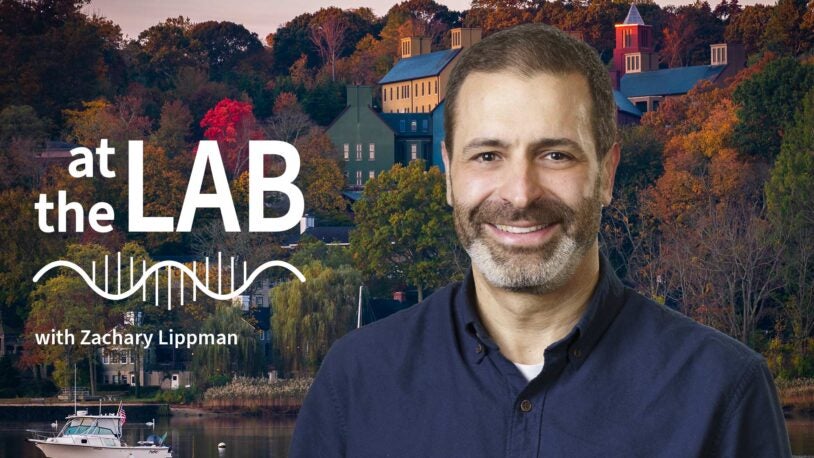
Director of Graduate Studies, Zachary Lippman, welcomes you to the graduate school.
I encourage you to find out for yourself all that we offer to help you develop your passion for discovery and become a next-generation leader in science and society.
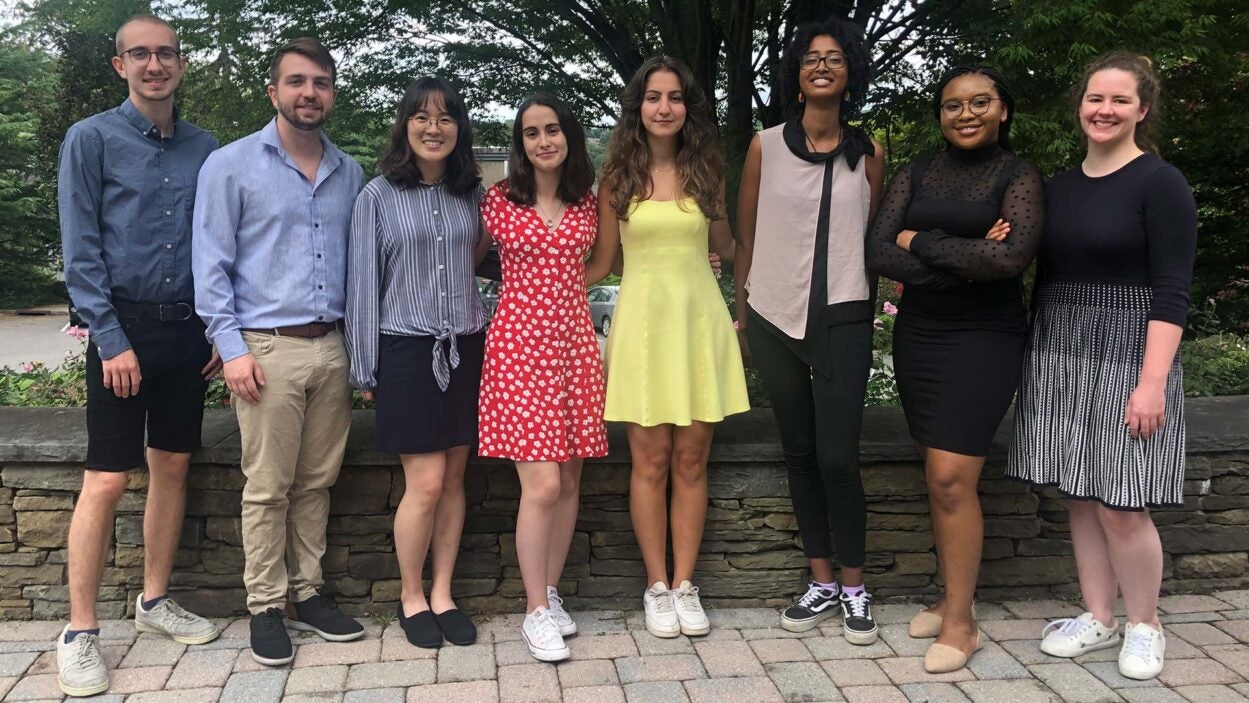
Admissions/apply now
The application consists of official transcripts, a personal statement, and three letters of recommendation. There is no requirement for the GREs, and no minimal requirement for GPA. Our application review is holistic—all components of the application are considered, including the types of courses taken, the applicant’s research experience, and any challenges faced. Letters of recommendation are highly valued.
The Ph.D. program matriculates approximately nine students per entering class. The average time to degree is five years.
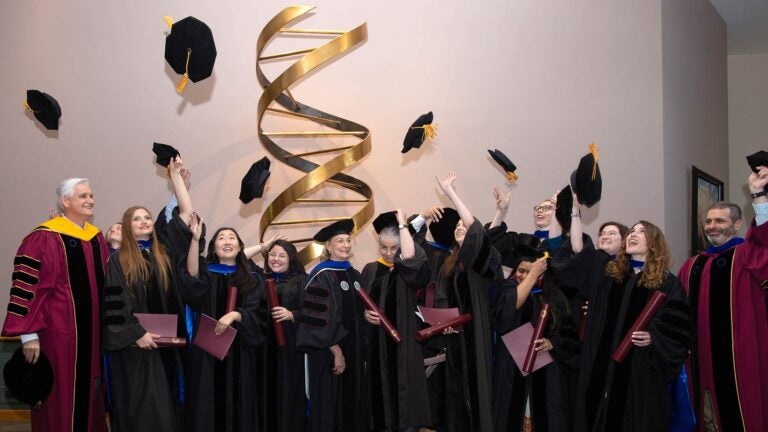
Time to degree and career outcomes
Students have completed the program in an average of 5.19 years and have subsequently pursued a range of careers.
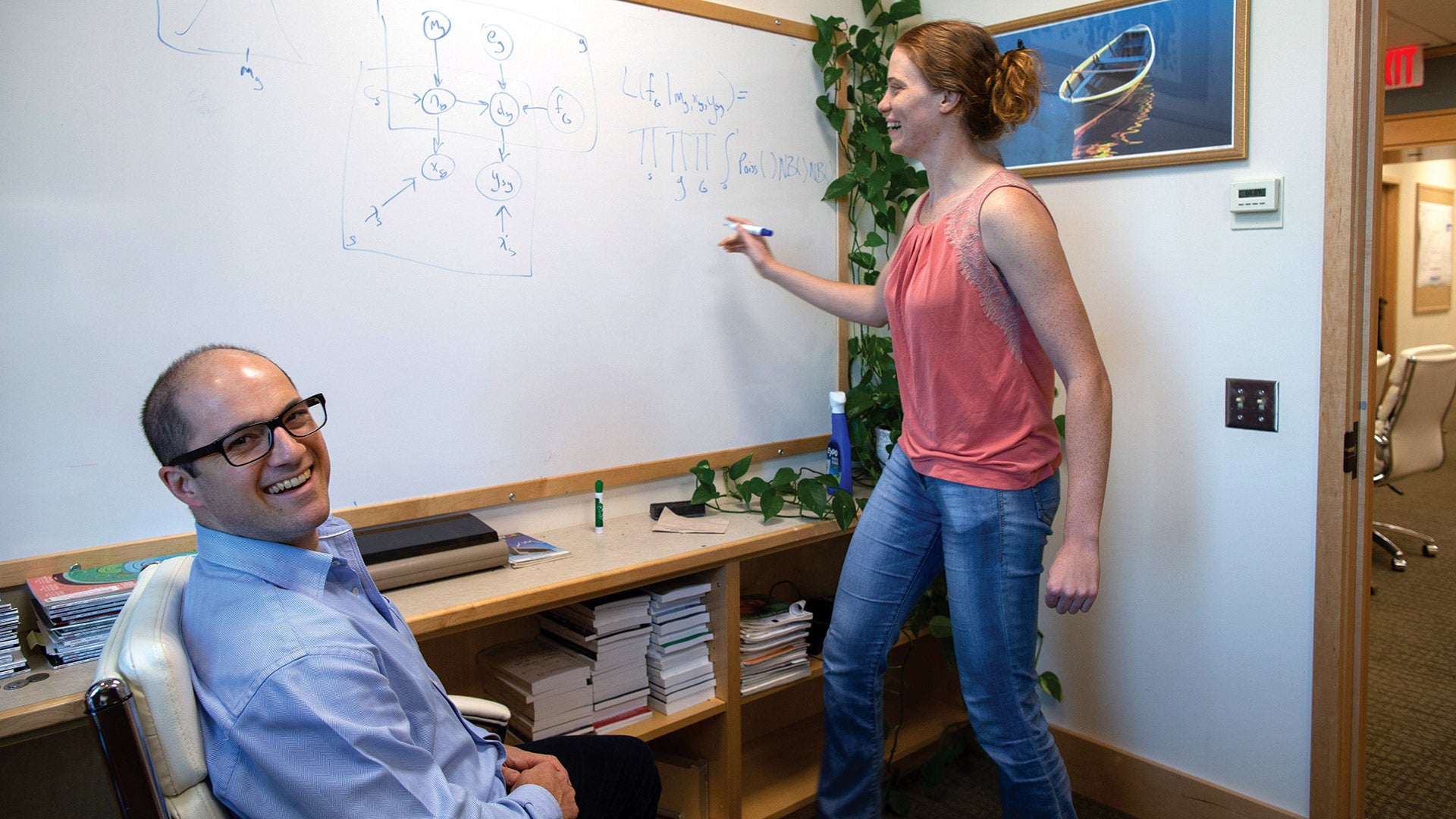
Dedicated mentorship
Students at CSHL benefit from having numerous mentors during their time in the program. Within two weeks of their matriculation, students select a faculty member as an Academic Mentor who serves an essential role in providing student guidance before the selection of a Research Mentor, and continues as a mentor and a member of the thesis committee for the duration of the training.
Additional mentoring is provided by the Dean, Associate Dean and Director of Academic Programs. These members of the School staff, whose offices are located in the same building as the personal study space provided for the first-year students, are available individually or collectively for each student on a daily basis to discuss courses, lab research, personal concerns, and professional and career development.
A thesis committee meeting is scheduled by the School for each student every 6 months. This provides students with valuable feedback on a regular basis, and extensive oversight of the student’s academic and research progress, allowing them to complete their degree in a timely manner.
Curriculum/course of study
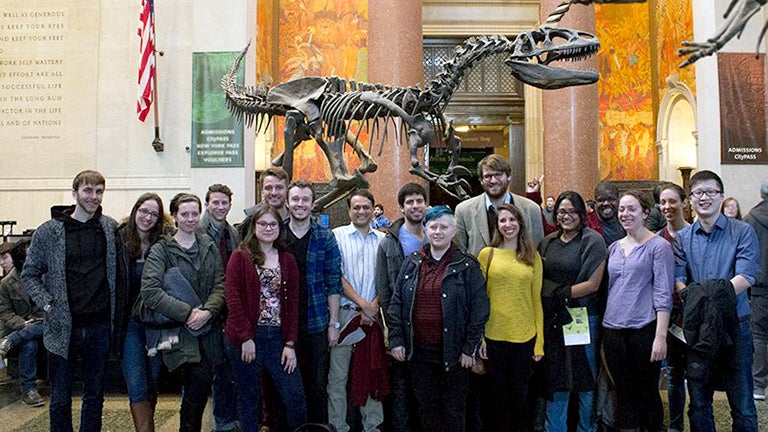
The Fall Term curriculum is designed to provide trainees with a broad-understanding across multiple disciplines in the biosciences. All first-year students, regardless of their scientific background and future area of thesis research, study the same, broad, full-time curriculum. The Core Courses that comprise the curriculum provide students with the skills to think critically and independently, and to be able to identify and address the important questions of each discipline. Trainees obtain a strong foundation in scientific reasoning, experimental design and methods, quantitative skills, and data analysis and management. Students are instructed in the ethical and responsible conduct of research, and means to achieve rigor and reproducibility in research through dedicated courses, and through components integrated into the core courses.
After completing the requirements of the first year, students select their Research Mentor and focus on their individualized training and doctoral research.
Career development
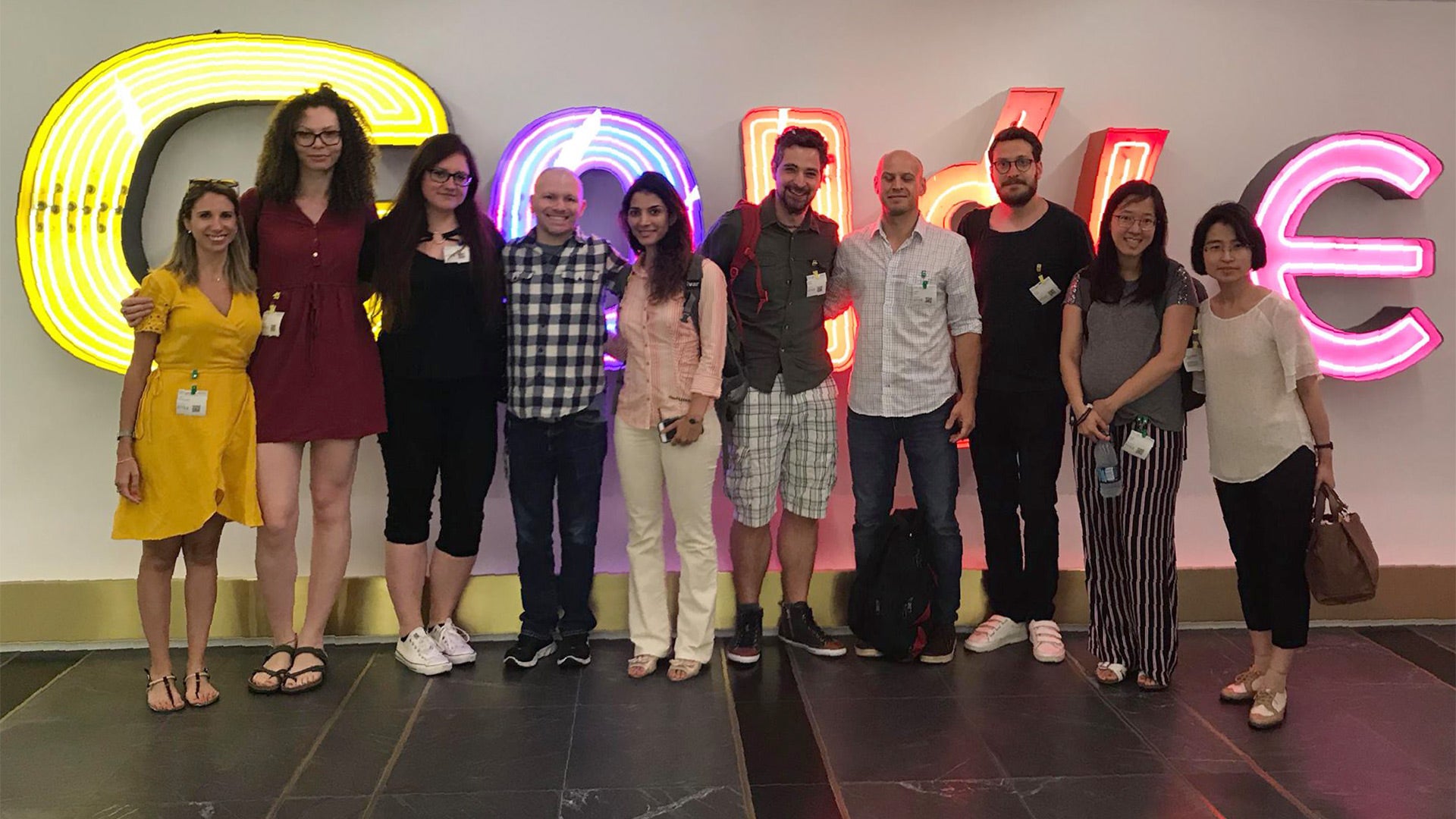
Our graduates are well prepared to enter a wide array of careers that include academic research, biotech, pharma, consulting, and publishing. Students at CSHL explore career options and acquire professional skills through several means, such as the Career and Skills Development Course, the Career Directions Series and the Bioscience Enterprise Club. The School of Biological Sciences provides students with opportunities for experiential learning and internships.
Student support
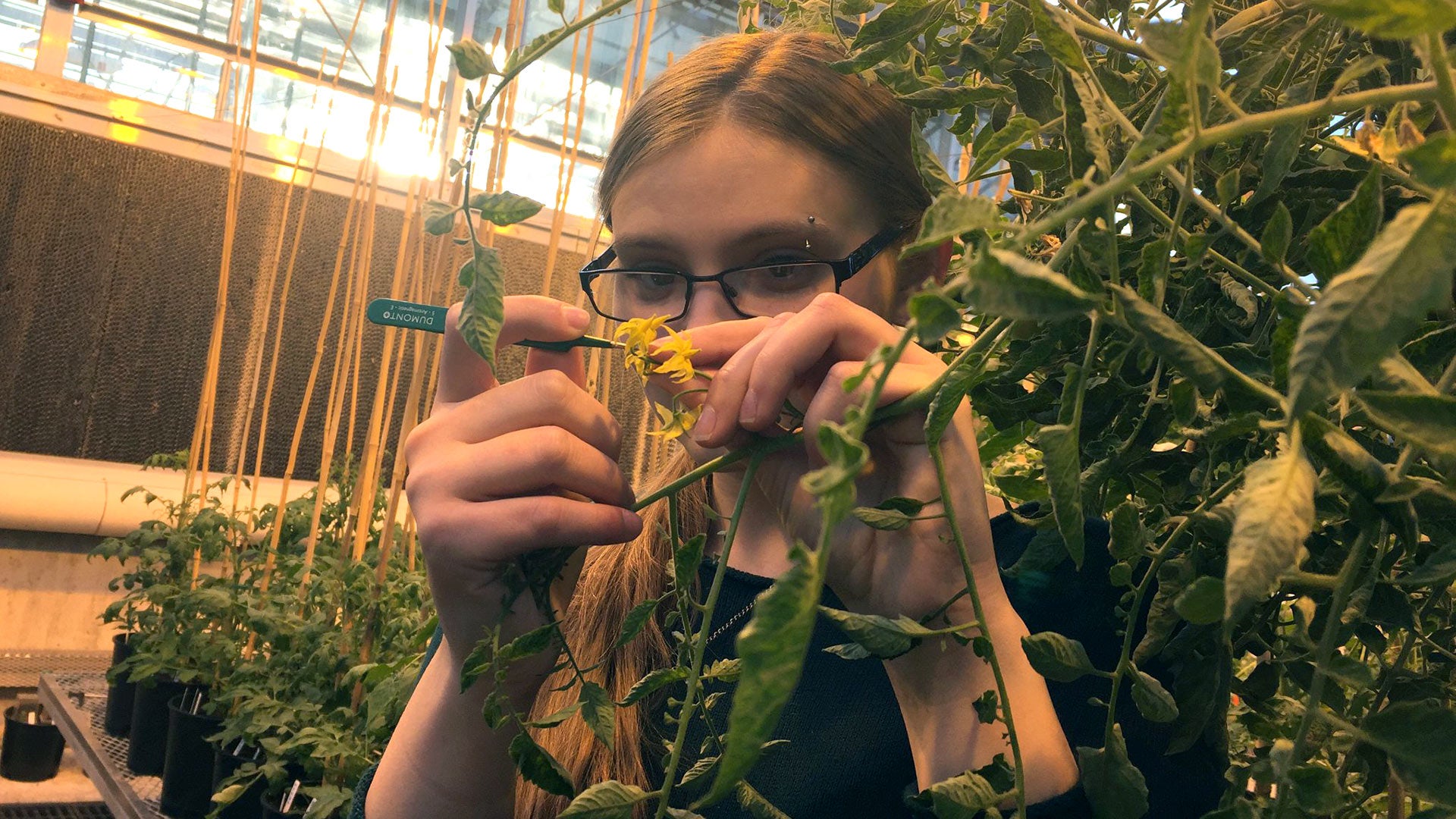
The School of Biological Sciences is committed to supporting its students through a generous stipend, full health, vision and dental benefits and subsidized housing and food. An on-campus Health and Wellness Center, whose services include on-site mental health counseling, is available free of cost to students. In the first year, students are invited to live in one of CSHL’s on-campus properties reserved exclusively for students: either the Knight House or Cutting House, two 19th century, fully restored and fully furnished houses in Cold Spring Harbor.
Students are provided with relocation costs, and a laptop and other supplies upon matriculation.
An annual educational enhancement fund ensures that students have access to meetings, courses and other educational resources.
Affordable group childcare is provided for the entire CSHL community on the main campus through Bright Horizons.
Mentoring and teaching
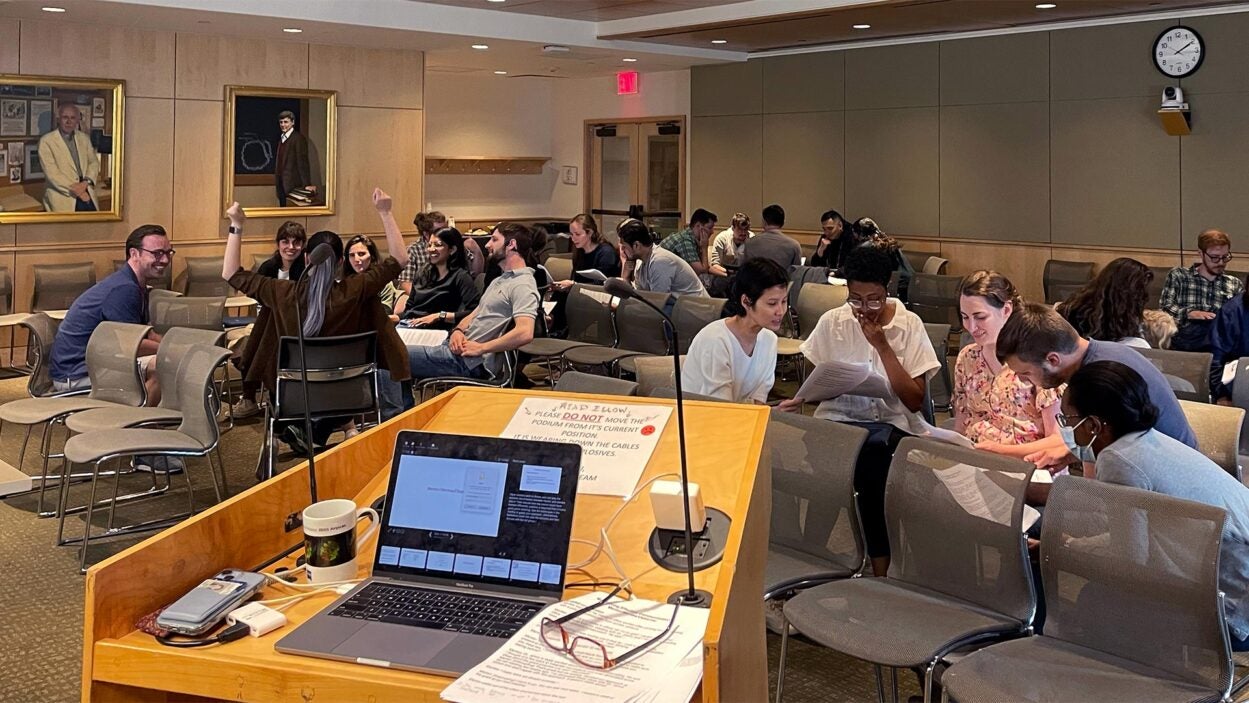
Students have numerous opportunities to develop their mentoring skills while receiving their graduate training. These include being mentors for participants of the PREP Postbaccalaureate Program, the summer Undergraduate Research Program, and the Partners for the Future high school research program. Additionally, students may mentor undergraduates across the country as part of the CSHL Remote Mentoring Program. Students are well prepared for these mentoring roles after receiving mentor training based on the curriculum by the Center for the Improvement of Mentored Experiences in Research (CIMER).
Students have the unique opportunity to teach in the DNA Learning Center as part of their required first-year curriculum. Students who want additional opportunities can teach undergraduates in partnership with local colleges and universities, many of which are minority-serving institutions. To prepare students, we offer the Undergraduate Teaching and Pedagogy Workshops in conjunction with faculty from the State University of New York at Old Westbury.
Life at CSHL
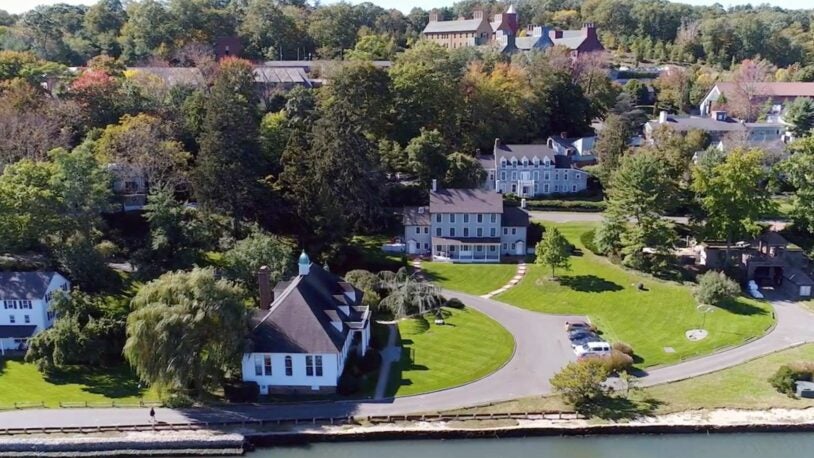
Located on the north shore of Long Island, CSHL is surrounded by miles of beautiful beaches and hiking trails allowing students to easily escape the lab and immerse themselves in nature.
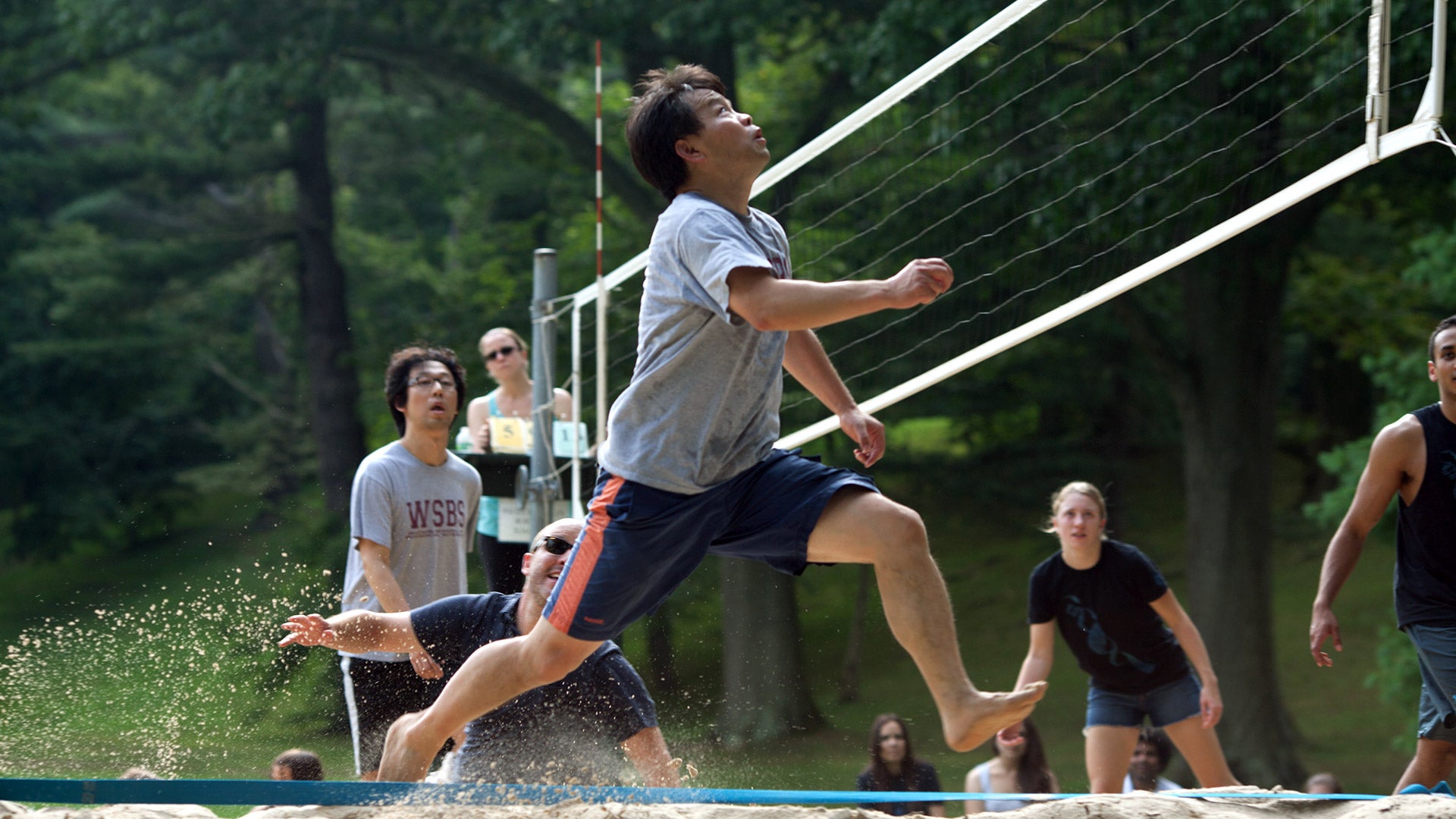
The warm weather months will find students enjoying volleyball games and barbecues by the beach, as part of the community events organized by the Laboratory. Students also have the exceptional opportunity to regularly meet and network with scientific leaders as part of the Meetings and Courses Program, where more than 10,000 scientists visit CSHL annually.
The nearby towns of Cold Spring Harbor and Huntington provide students with all the necessary amenities. Vibrant New York City is only 35 miles away, and its museums, restaurants, theaters and concert halls are easily accessible by train.